
Six decades have passed since The Beatles gifted us Help!, an album that not only served as the soundtrack to their second film but also marked a crucial turning point in their career. Released in 1965, this record shows us a band at the peak of their fame, yet also at a moment of introspection and vulnerability. On its 60th anniversary, it’s fascinating to analyze how the instrumentation, George Martin‘s musical direction, and the daring to experiment with new sounds laid the groundwork for the evolution of pop music.
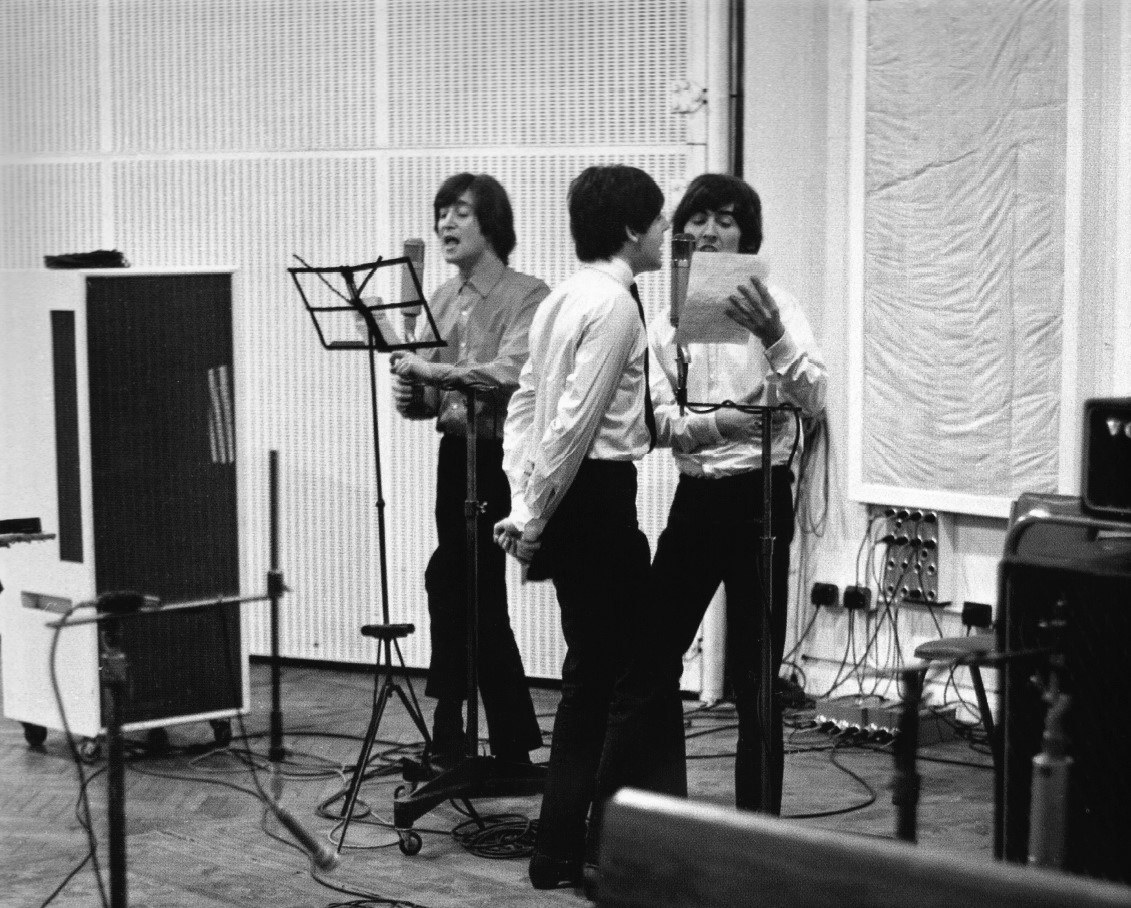
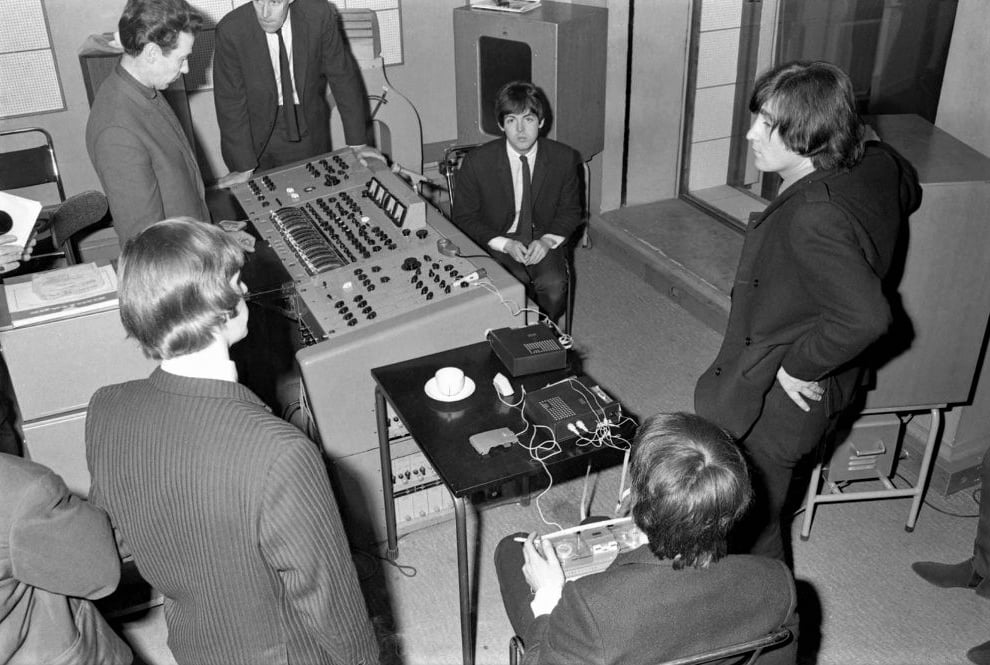
Musically, Help! is a work of transition. While electric guitars, drums, and bass remain at the heart of The Beatles‘ sound, a broader sonic palette begins to emerge on this album. The Rickenbacker guitars of John Lennon and George Harrison, along with Paul McCartney‘s iconic Hofner bass, continue to be the rhythmic and melodic pillars. Ringo Starr‘s strength on the drums remains fundamental, but George Martin‘s genius becomes increasingly evident in how the arrangements grow more complex and sophisticated.
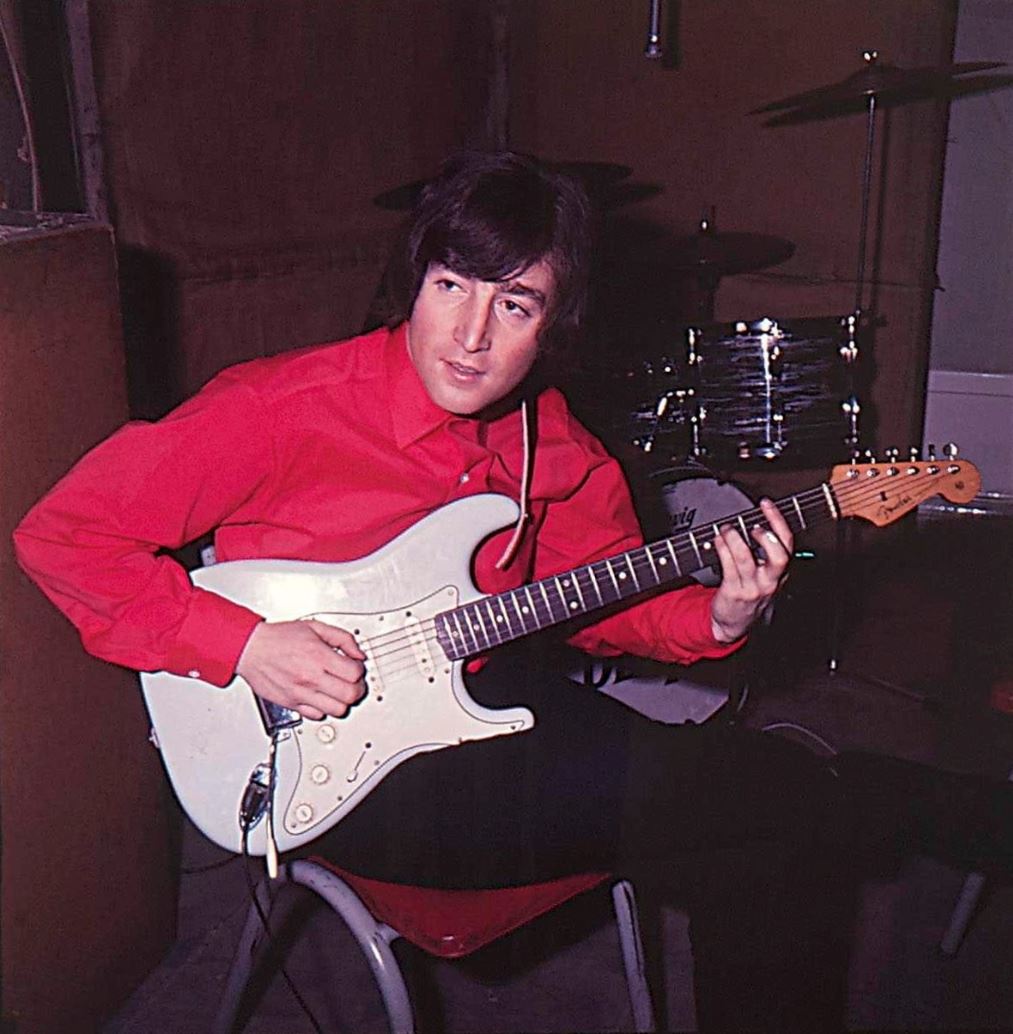
The collaboration between the band and George Martin was more than a simple producer-artist relationship; it was a creative partnership that led The Beatles to explore uncharted territory. A clear example of this is the introduction of new instruments.
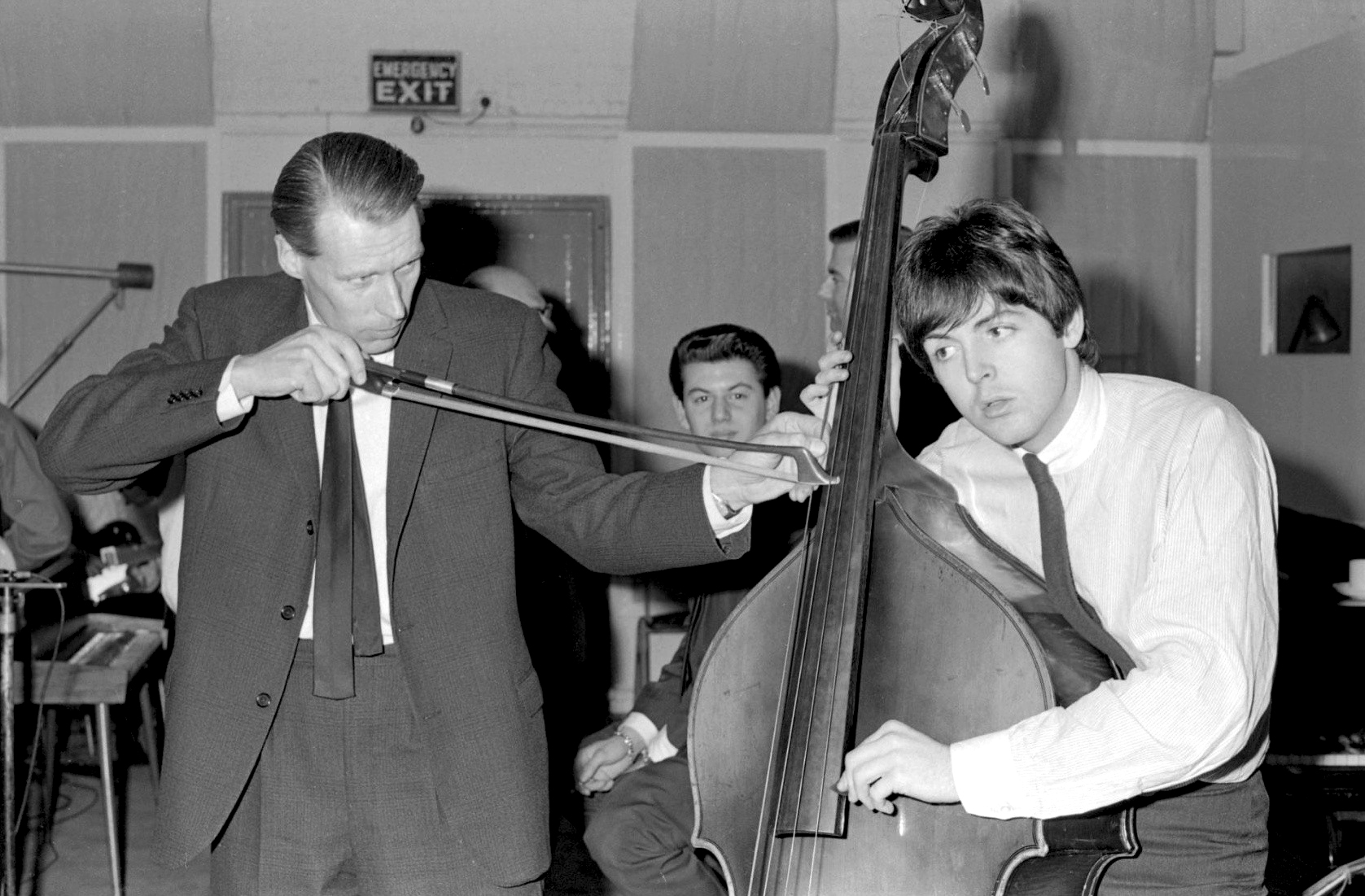
In the ballad “Yesterday,” Martin’s genius persuaded Paul McCartney to use a string quartet. At first, McCartney was skeptical, fearing it would sound too “cheesy,” but the result was one of the most beautiful and enduring songs in history. The use of strings not only elevated the song to a higher emotional level but also opened the door to orchestration in pop music. This was a bold move that demonstrated Martin’s vision and the band’s trust in his direction.
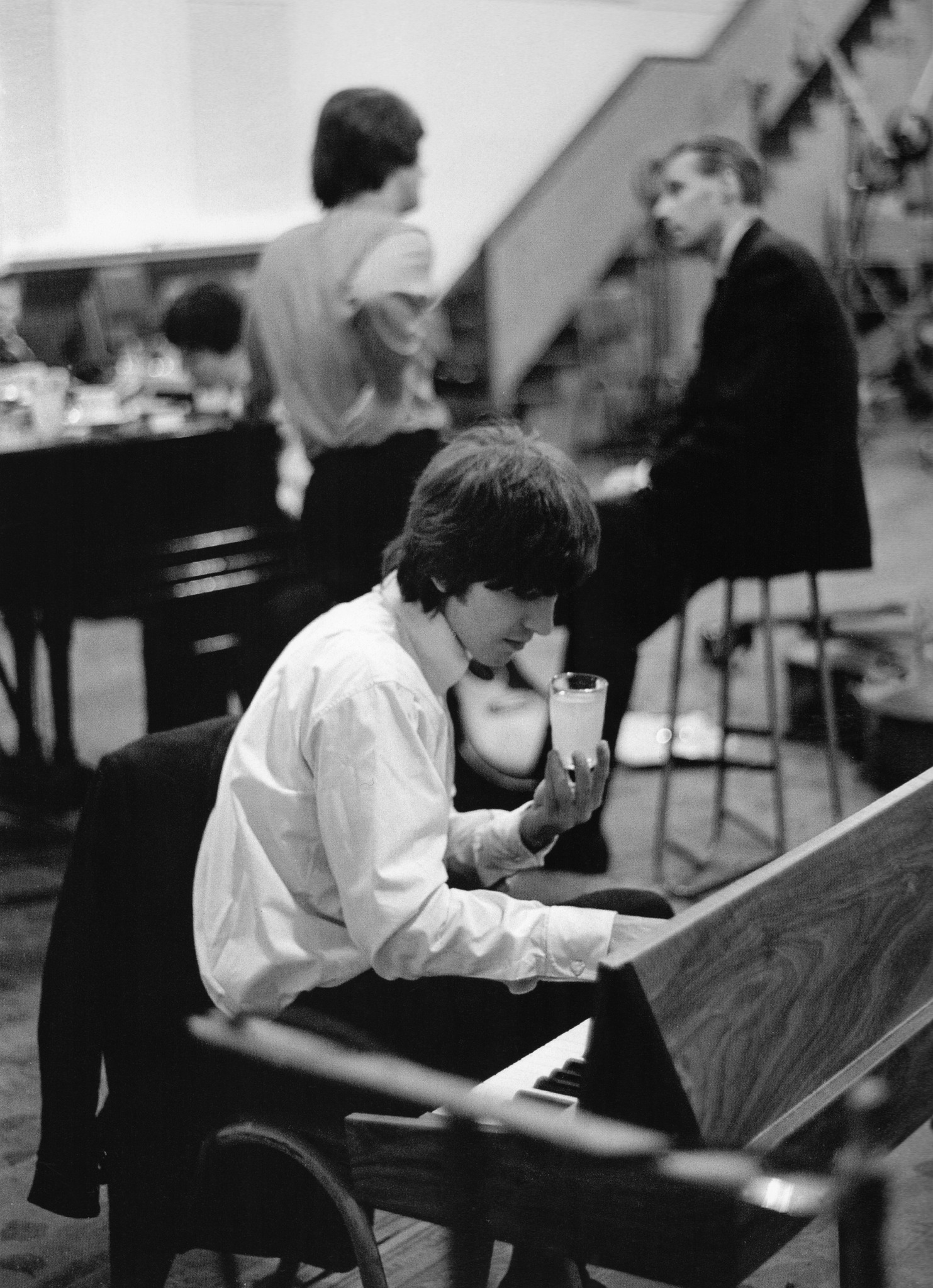
In addition to the strings, a flute is introduced in “You’ve Got to Hide Your Love Away,” creating an intimate and melancholic atmosphere that perfectly matched John Lennon’s lyrics. This type of instrumentation, atypical for rock music of the era, was a clear sign that The Beatles were ready to break down barriers and challenge conventions.
Songs like “Ticket to Ride” show the band’s power in its purest form, with heavier guitars and a stronger rhythmic foundation, anticipating the sound of psychedelic rock. On the other hand, tracks like “I’ve Just Seen a Face” and “It’s Only Love” showcase the band’s versatility, combining folk with pop in a way only they could.
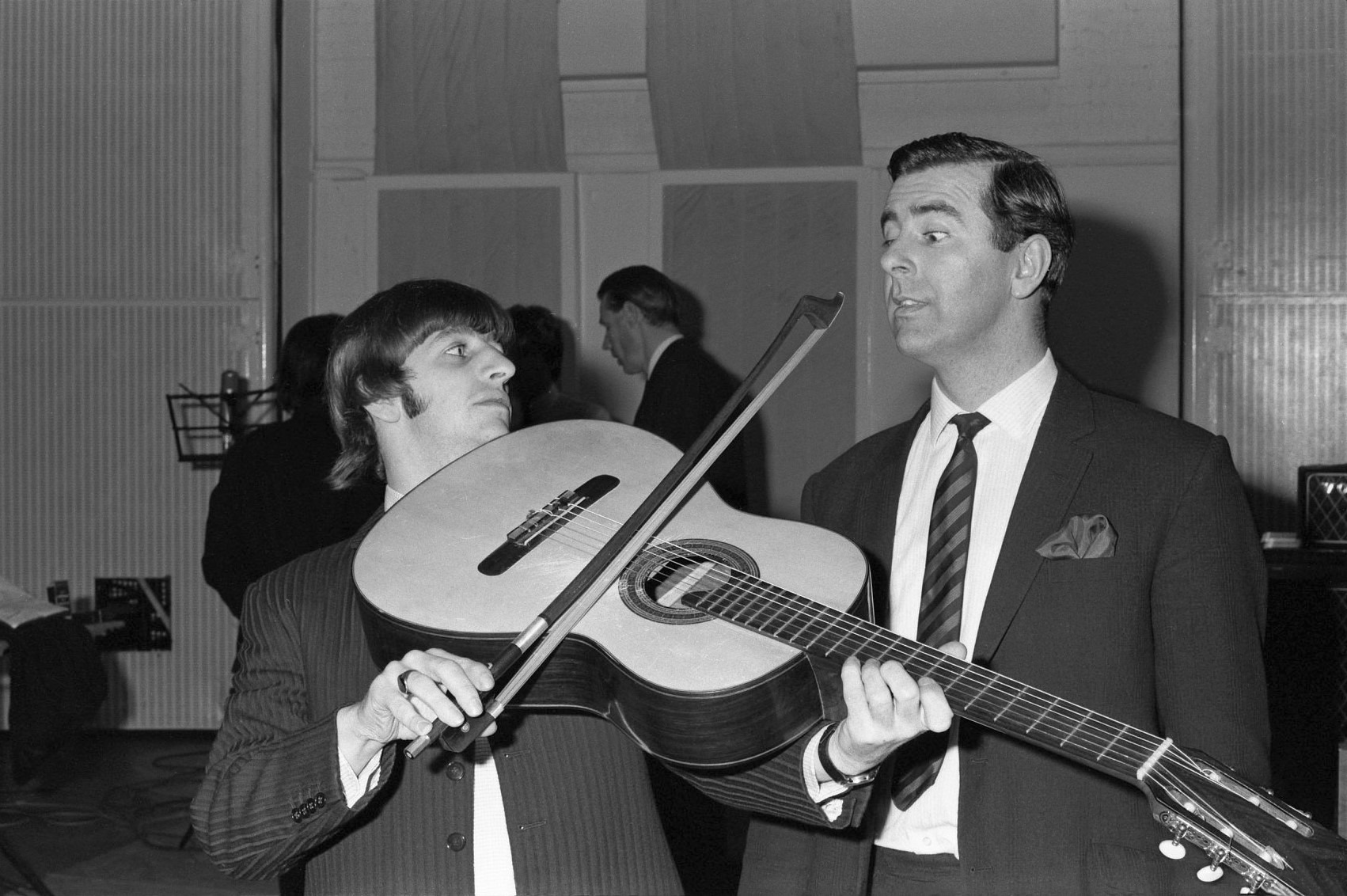
The sitar’s introduction on Help! was a pivotal moment. George Harrison, fascinated by Indian music, first used the sitar on “Norwegian Wood (This Bird Has Flown).” Though the song appeared on the Rubber Soul album (1965), Harrison’s fascination with the instrument began during the filming of Help!. The idea came from hearing an Indian musician on set, and his use of the sitar opened the door to psychedelic music and the fusion of Western and Eastern music in rock.
In retrospect, Help! is much more than a pop album; it’s a testament to the boundless creativity of The Beatles and the vision of George Martin. It was the bridge between the euphoria of Beatlemania and the experimentation of Sgt. Pepper’s Lonely Hearts Club Band. Sixty years after its release, its legacy endures, reminding us that even in a cry for help, the seed of a musical revolution can be found.
🟠Would you like to support the page with a donation? Enter HERE 
🟠We invite you to visit our NEW Facebook Page FOLLOW US HERE:
WELCOME! FOLLOW US! VISIT US HERE:
www.beatlesmagazine.com
https://www.facebook.com/BEATLESMAGAZINE1/
https://beatlesmagazine.blogspot.com/
https://beatlesmagazinebootleg.blogspot.com/
https://beatlesmagazinevideo.blogspot.com/
https://www.instagram.com/beatlesmagazine/
https://x.com/BEATLESMAGAZINE
https://www.tiktok.com/@beatlesmagazine
https://www.threads.net/@beatlesmagazine
🟠BEATLES STORES (Associated with Amazon, Shipments Worldwide)→ HERE , HERE & HERE
#USA 🇺🇸: https://amzn.to/3417JGy
#UK 🇬🇧: https://amzn.to/3qVcsDy
#JAPAN 🇯🇵 : https://amzn.to/3FbWKsO
#GERMANY 🇩🇪: https://amzn.to/3r6s5IB
#FRANCE 🇫🇷: https://amzn.to/3ty8zaX
#SPAIN 🇪🇸: https://amzn.to/3qfiS1s
👉Visit us : https://linktr.ee/BEATLESMAGAZINE
